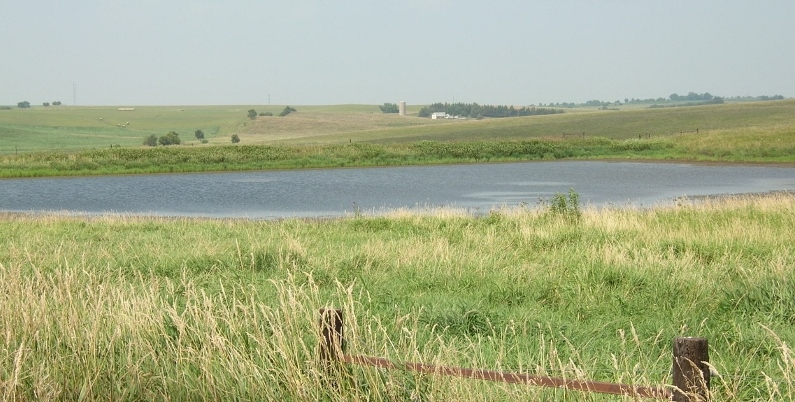

Smaller beef cow-calf producers are at the center of our production unit and marketing projects.
Efficient cow-calf operations integrated with cost-effective crop rotations can reduce input costs from farm chemicals and equipment and increase yields and profits.
As large ruminants, cattle can make the best use of temporary and long-term pasture in high-yield crop rotations for high-value markets. While production unit farmers rebuild soil health and markets, these rotations will include the judicious use of irrigation with carefully selected farm chemicals and soil additives.
Beef Processing
Our production unit business model is based on building farmer-owned retail food brands in partnerships with cow-calf producers who are already selling beef to local and regional customers.
It is well known that beef processing is not readily available to cow-calf producers who want to expand local direct sales and develop retail markets. Without processing, producers cannot conduct meaningful product and market research.
We are in discussions with locally owned processors on expanding local beef marketing in cooperation with selected cow-calf producers. Once production unit planning has started, we will discuss preliminary contracts with interested processors. These contracts will center on custom processing for direct sellers with retail potential and on sales to selected local institutions and restaurants.
Local Demand
To survive and thrive over time, market-oriented farmers must have extensive consumer support in nearby cities. This requires efficient and affordable specialty food chains controlled by production unit farmers.
Our company is particularly interested in new food chains organized around grass-raised and grass-finished beef. However, buyers and sellers are hesitant. Buyers want to know the producers. They also need reasonable estimates of the production potential and quality. Producers need forward contracts with experienced buyers. Both groups need production standards.
Although production standards for organic beef are available, we need a systematic way to increase the number of quality grass-raised and grass-finished cattle – without the expense of organic certification during product and market development.
We intend to use our production unit system to match herd size with demand. Audit trails and cost accounting will be standardized.
Production Standards
A clear set of production standards is the first step in evaluating consumer demand for beef produced on regenerative, specialty, and organic farms. My proposed production standard is based on a five-step process that addresses grain-versus-forage, soil health, and medications.
Step 1 cattle would be produced without growth hormones, parasiticides, and antibiotics. These cattle would receive a conventionally produced ration.
Step 2 cattle would be raised without genetically modified (GM) feed and forage.
Step 3 beef would be produced using Step 1 and Step 2 methods plus defined amounts of organic feed and forage (transitional or certified) expressed as a percentage of the total diet.
Step 4 cattle would be certified organic at birth and raised on a certified organic ration.
Step 5 organic beef would be certified as: 1) Grass-raised and grain-finished, or 2) Grass-raised and grass-finished.
Please contact me to arrange an appointment.
Jim Steffen, President
Massena Corporation
402-317-2639
jim@massenafarms.com
Reposted: 09-05-2026